



When “Your Thyroid Is Fine” Doesn't Answer the Question.
You had the bloodwork.
You were told it was normal.
But you're still tired. You're gaining weight. You're cold. Your hair has changed. You're constipated. You can't concentrate.
Does that automatically mean you have a thyroid problem?
No.
Does it mean the conversation should end?
Also no.
The symptoms women associate with thyroid disease overlap considerably with hormonal transition, sleep problems, metabolic issues, nutrient deficiencies and other conditions.
That's exactly why Dr. Linder doesn't start with the assumption that your thyroid is...or isn't the problem.
1 in 8 women will develop a thyroid disorder in their lifetime. You deserve to feel strong, clear, energized and at home in your body again.
HOW CARE WORKS
Test. Understand. Treat. Reassess.
Medicine works better when we don't skip the middle.
Testing alone isn't treatment. A lab result without context isn't an answer. And starting a treatment without checking whether it's actually working isn't much of a plan.
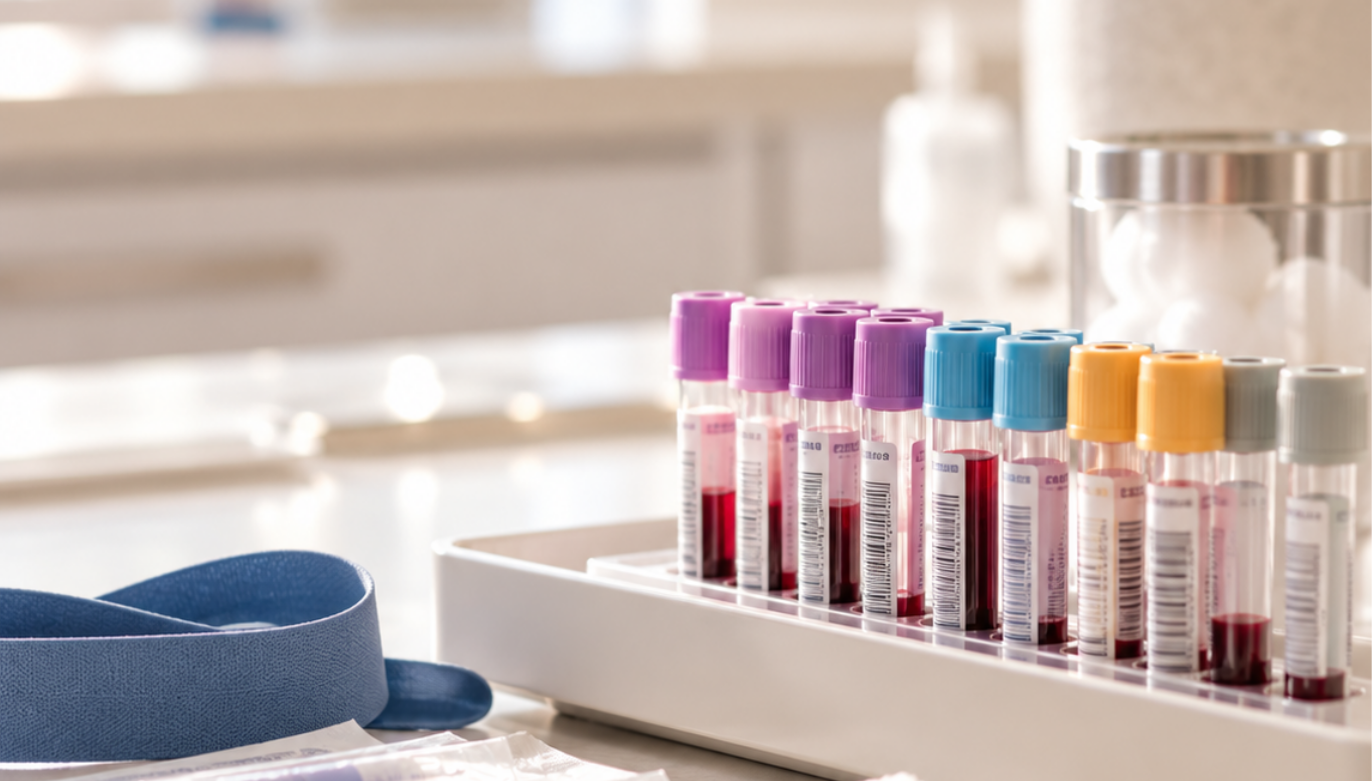
STEP 1
GET TESTED
We start with your story—not a preselected panel of tests.
Dr. Linder reviews what's been happening, when it started, your medical history, current medications, previous results and what you've already tried.
From there, testing is selected based on what actually needs investigating.
That may include hormones, thyroid markers, metabolic markers, nutrient status or other testing relevant to your presentation.
Test what matters. Don't order data for the sake of data.

STEP 2
GET ASSESSED
This is where numbers become useful.
Dr. Linder reviews your results in the context of you.
What changed first?
Which symptoms appeared together?
What does your medical history tell us?
Do your symptoms fit your results?
Could more than one thing be happening?
Instead of handing you a lab report and telling you what's high or low, the goal is to understand the pattern.
You should understand your health...not just receive your results.

STEP 3
BUILD YOUR TREATMENT PLAN
Once we understand what we're dealing with, we can decide what deserves attention.
Your plan may involve hormone therapy when medically appropriate, medication, nutrition, supplementation, sleep, movement, stress management or other functional and integrative strategies.
Not everything needs a supplement.
Not every symptom needs a prescription.
And not every woman needs the same hormone protocol.
Treatment should make sense for your body, your medical history and your goals.

STEP 4
REASSESS + OPTIMIZE
Starting treatment isn't the finish line.
Are you sleeping better?
Has your energy changed?
What happened to the symptoms that brought you here?
How are you tolerating treatment?
What do your follow-up markers show?
Your response gives us new information. Dr. Linder uses it to adjust your plan rather than leaving you on the same protocol indefinitely.
Test. Treat. Reassess. Optimize.
That's ongoing care.

THIS CHAPTER CAN FEEL DIFFERENT